Battery Energy Storage as a UPS Solution
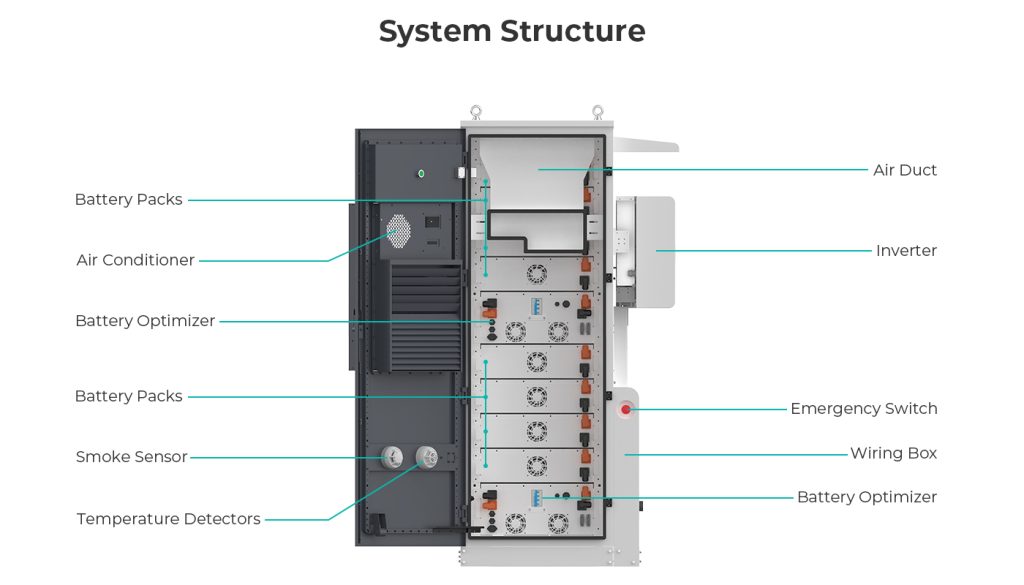
Modular, scalable and intelligent power continuity from ESS Power Store
Uninterruptible Power Supply (UPS) systems are no longer limited to static battery cabinets designed purely for short-duration backup. Advances in Battery Energy Storage Systems (BESS) now allow organisations to deploy flexible, modular UPS solutions that deliver not only resilience, but also operational and financial value.
At ESS Power Store, we provide BESS-based UPS solutions using compact 30 kWh and 60 kWh units, designed to operate as standalone systems or in parallel configurations of up to six units. This approach offers a highly scalable, future-proof alternative to traditional diesel-led backup strategies.
Why use a BESS as a UPS?
A BESS-based UPS delivers instantaneous power continuity with no start-up delay, no mechanical ramp-up and no power quality issues. Unlike diesel generators, batteries respond in milliseconds, maintaining voltage and frequency stability for sensitive loads such as:
- Data and communications infrastructure
- Film & TV production equipment
- Events and temporary power applications
- Commercial buildings and critical services
- Industrial control systems
With no combustion engine, a BESS operates silently and produces zero emissions at point of use, making it ideal for urban locations, indoor environments, and sites with strict noise or air-quality constraints.
30 kWh and 60 kWh modular building blocks
ESS Power Store offers 30 kWh and 60 kWh BESS units that are engineered as modular building blocks. Each unit integrates:
- Lithium iron phosphate (LiFePO₄) battery chemistry
- Integrated inverter and energy management system
- Fast response UPS functionality
- Multiple charging inputs (grid, generator, solar PV)
- Remote monitoring and control capability
For larger loads or extended runtime requirements, systems can be paralleled up to six units, delivering:
- Up to 180 kWh using 30 kWh modules
- Up to 360 kWh using 60 kWh modules
- Or a mixed configuration to match site-specific demand
This modular approach avoids over-specification at day one and allows capacity to be added as operational needs grow.
From standby UPS to active energy asset
A key advantage of a BESS-based UPS is that it does not need to sit idle. When configured as part of the site’s wider electrical infrastructure, the same system can be used to:
- Peak-shave and reduce maximum demand charges
- Time-shift energy to avoid peak tariff periods
- Store and dispatch on-site solar PV generation
- Reduce generator run-time and fuel consumption
- Provide temporary power during grid outages or upgrades
By increasing utilisation, the BESS moves from a pure resilience cost to an active asset, improving lifecycle economics and accelerating return on investment (ROI).
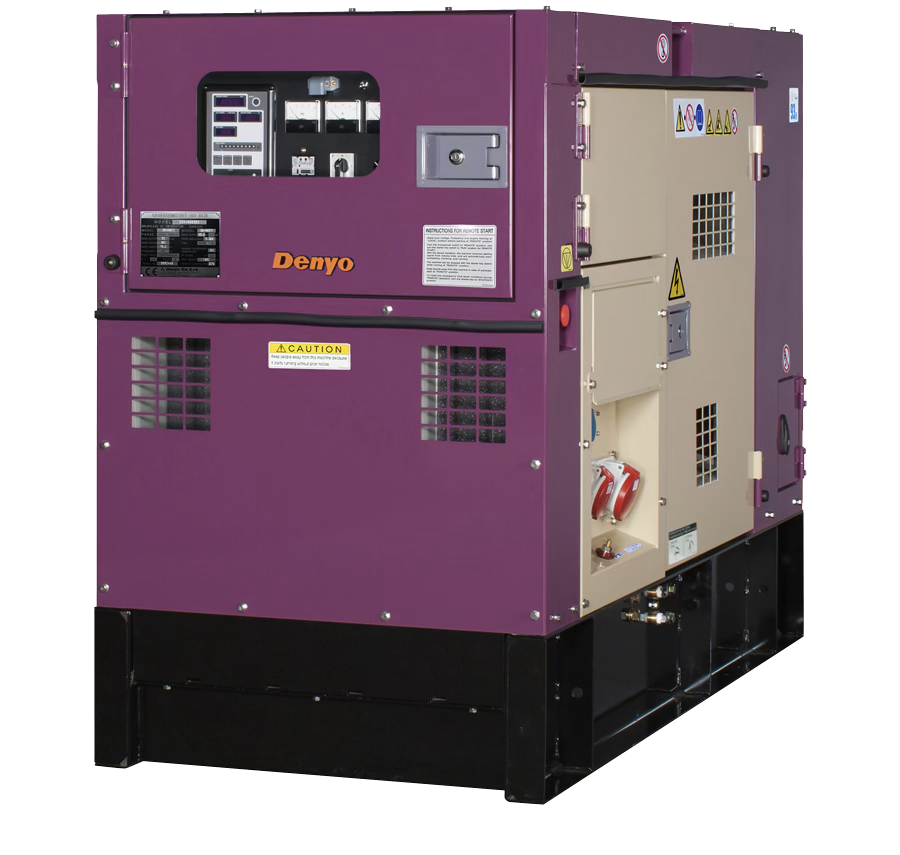
Diesel generators as secondary, not primary, backup
In many installations, diesel generators still have a role — but increasingly as secondary or extended-duration backup. A BESS-led UPS can manage instantaneous response and normal outages, while a generator is only called upon when runtime exceeds the battery window. This hybrid architecture:
- Reduces fuel consumption and maintenance
- Improves system reliability
- Lowers emissions and noise
- Extends generator service life
For many sites, this results in a smaller generator specification and significantly lower operating costs.
Designed, deployed and supported by ESS Power Store
ESS Power Store provides a complete BESS-as-UPS solution, from system sizing and configuration through to deployment, monitoring and ongoing support. Each installation is designed around the client’s load profile, runtime requirement and future growth plans.
Whether you require a single 30 kWh UPS unit or a fully modular multi-unit system, our approach ensures resilience today while creating long-term operational and commercial value.
A modern UPS is no longer just about keeping the lights on.
With a modular BESS from ESS Power Store, it becomes a smarter, cleaner and more productive part of your energy strategy.